


What’s it like to fly in China versus the United States? Two massive aviation markets, two completely different philosophies, and two very different passenger experiences.
The video takes a look into airports, fleet, profitability, In-flight experience, service, onboard comfort, crew style, operation, and everything in between.
According to IATA, the US had 876 million passengers in 2024, while China had 740 million. The global “active fleet” number is around 30,300. China’s total commercial fleet stands in the ballpark of 4,000-4,500 airplanes. The U.S. commercial airline fleet is likely in the range of 7,000 to 10,000 aircraft. We also take a look at the average age of the fleet in the U.S. vs China.
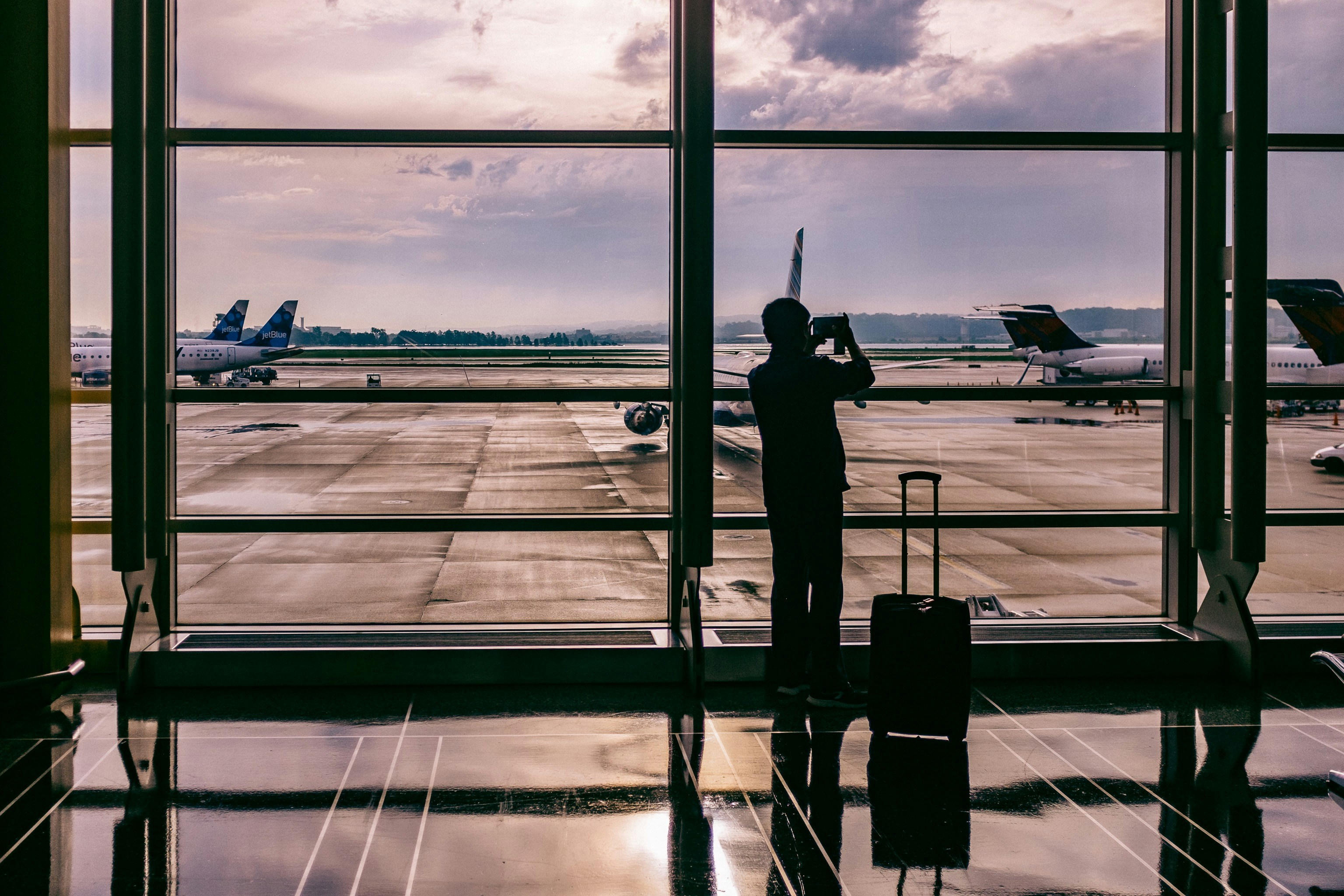
China has spent the last two decades building some of the world’s newest and largest airports. These airports are massive, modern, and extremely high-tech, with sleek architecture everywhere. But in the U.S., the infrastructure picture is mixed.
The major Chinese carriers are not profitable — their losses reflect structural pressures (low yields, competition, oversupply, weak international demand). The U.S. airlines enjoy pricing freedom, loyalty-program revenue, consolidation, and strong corporate + leisure demand.
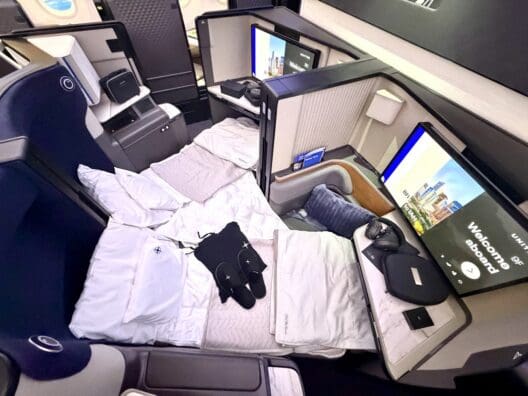
Service culture is where the most significant difference shows. Chinese airlines generally still operate a full-service model with free checked baggage, free seating, and meals on board. The U.S. market is extremely cost-driven, so the product reflects that. In many cases, baggage isn’t included, snacks are minimal, buy-on-board is common, and frequent flyer loyalty plays a huge role.