




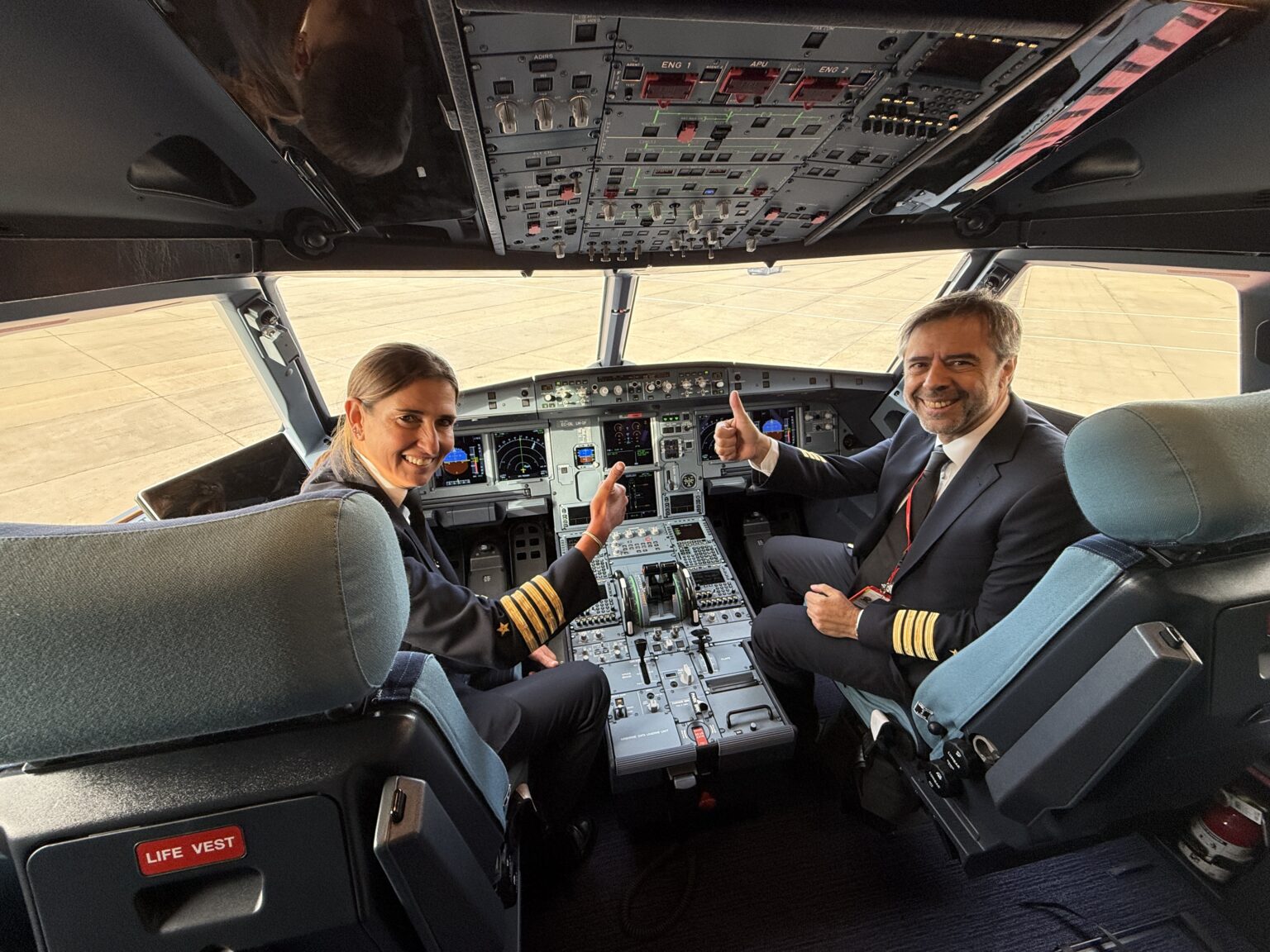

Chris Sloan reports from the first A321XLR flight from Madrid to Boston. All Photos by Chris Sloan / TheAirchive.Net
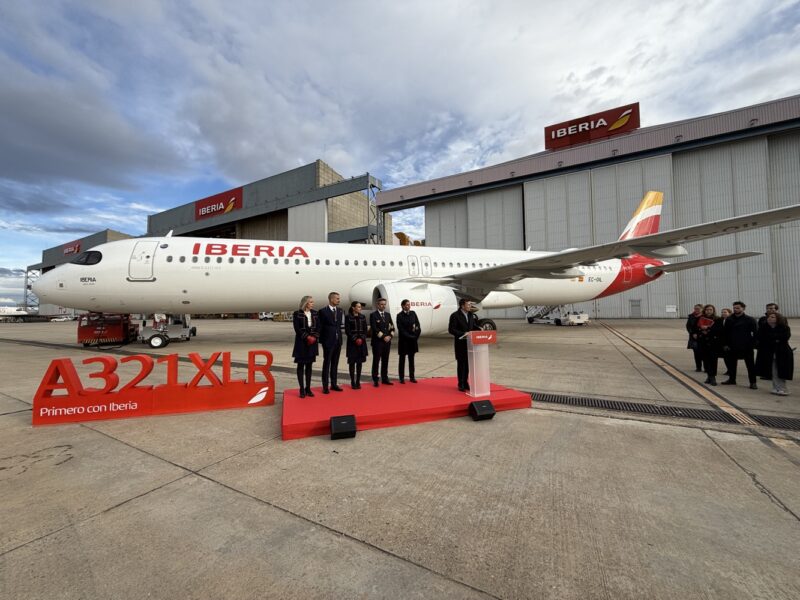
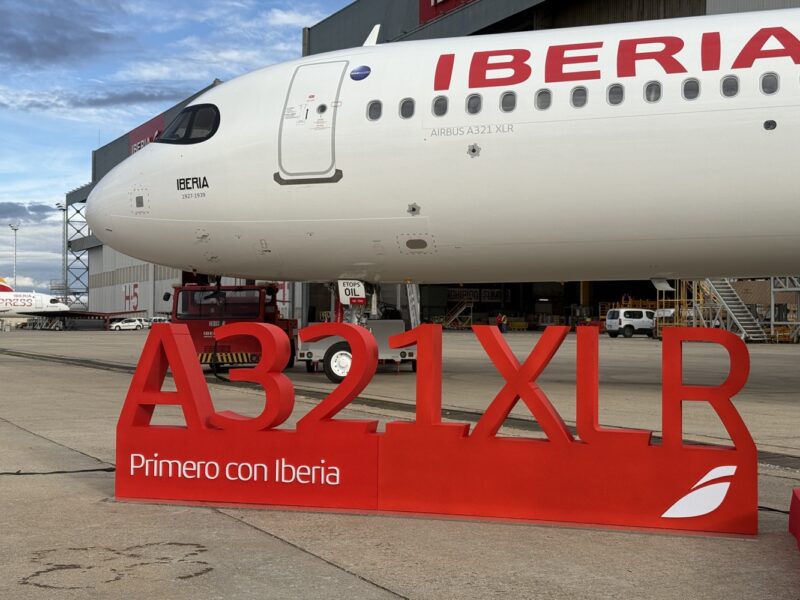
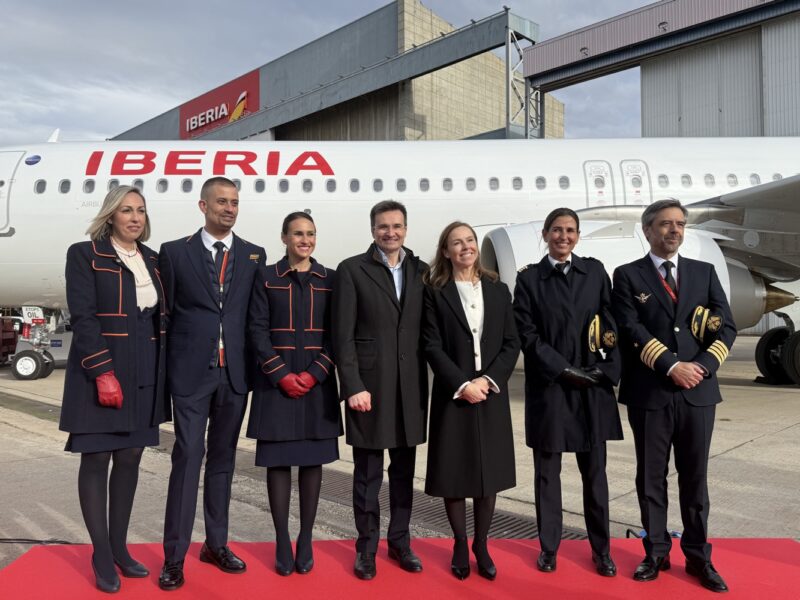
Spanish flag carrier Iberia has taken delivery of its first A321XLR, becoming the launch operator of the world’s newest single-aisle aircraft.
The aircraft, powered by CFM LEAP-1A engines has been operated by Iberia on a number of regional flights across the airline’s European network before its first transatlantic mission from Madrid to Boston on 14 November.
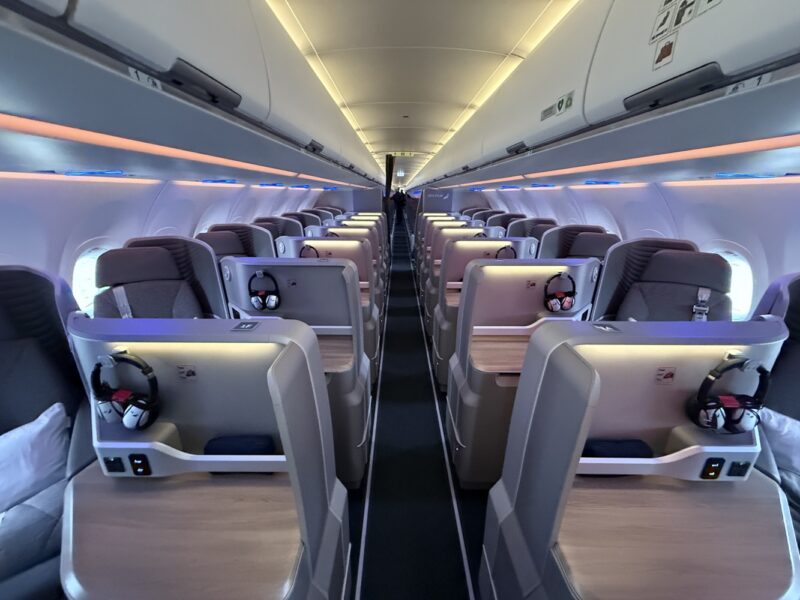
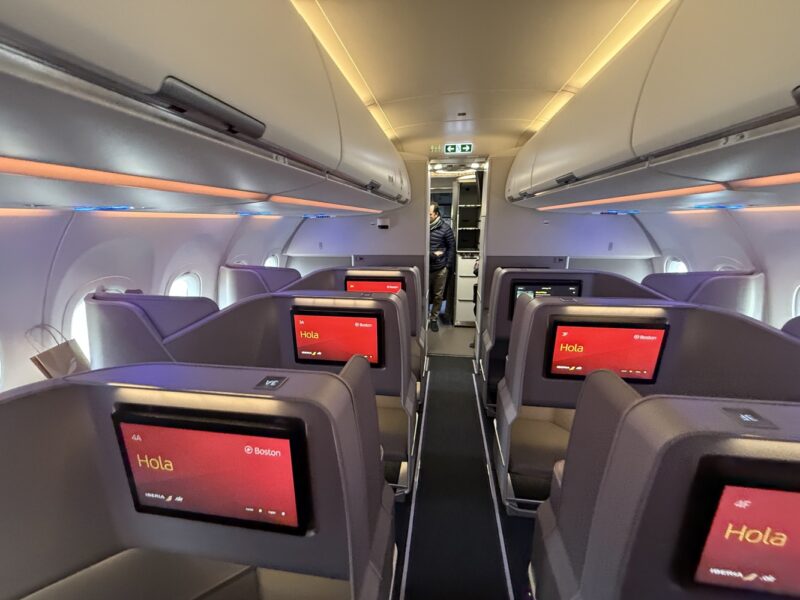
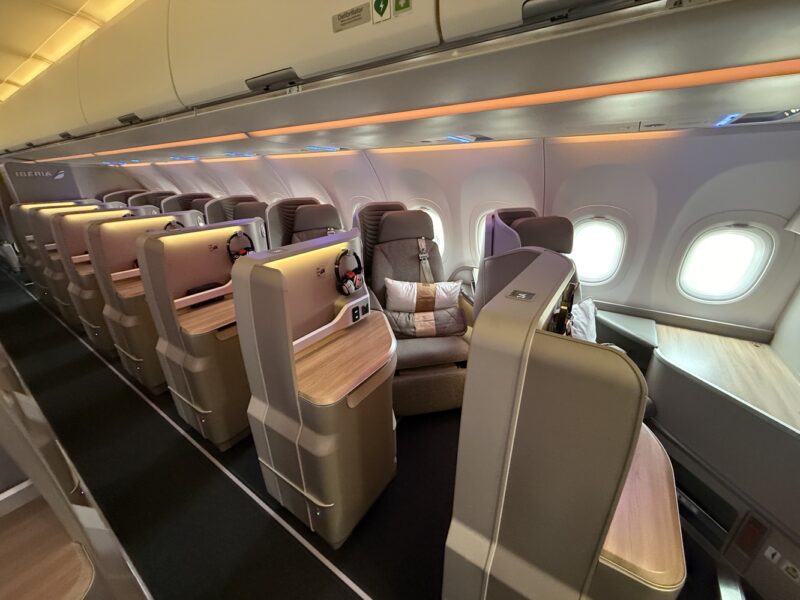
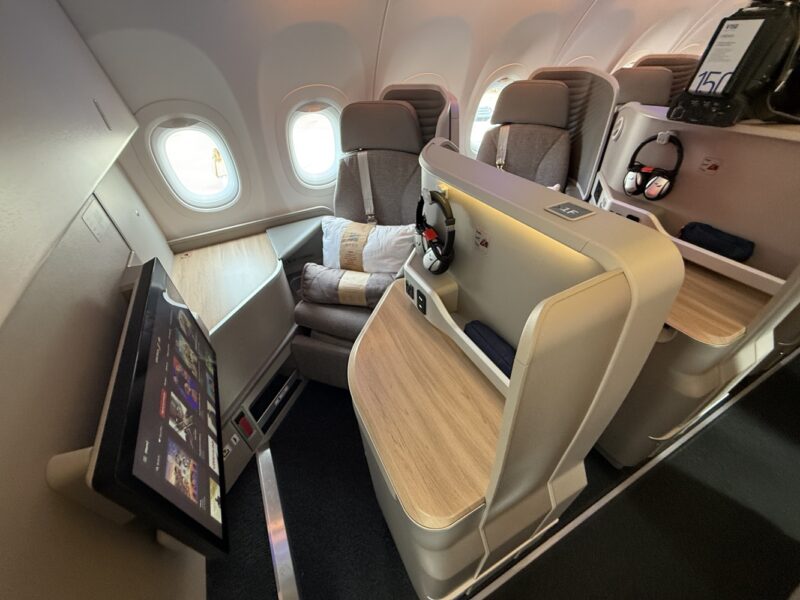
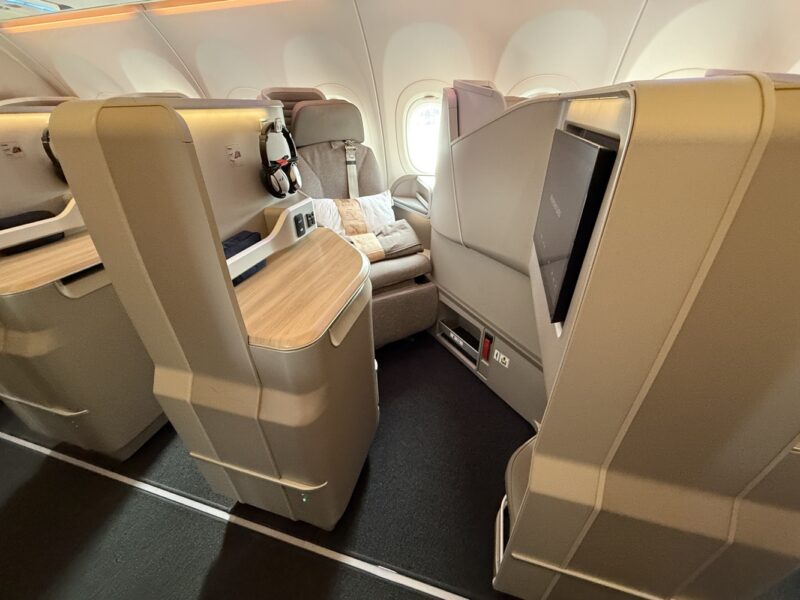
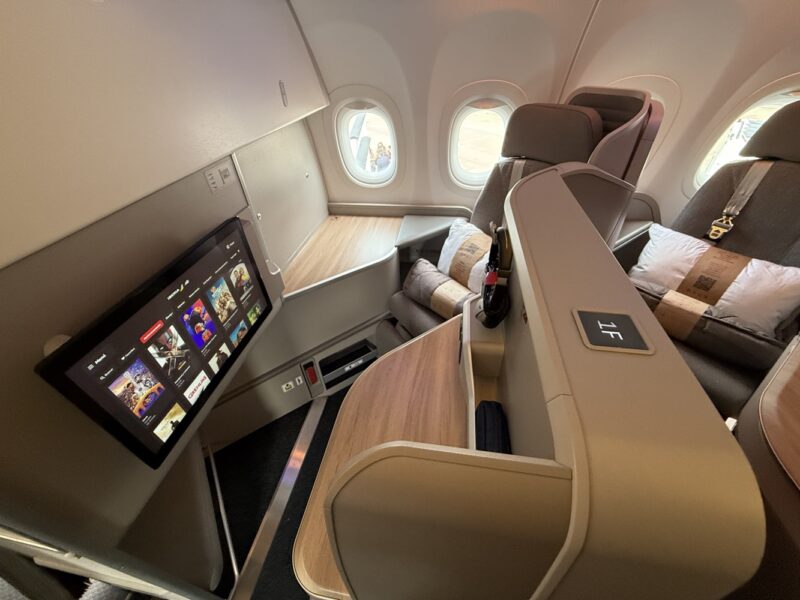
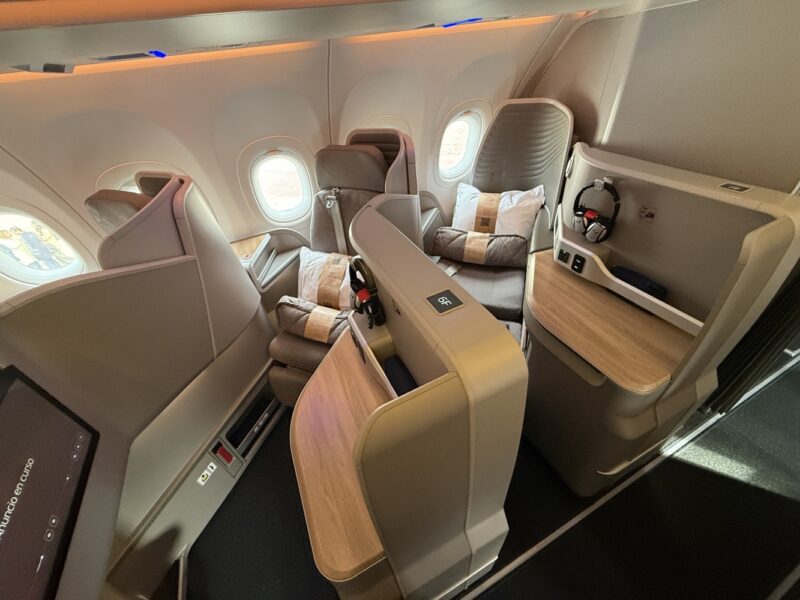
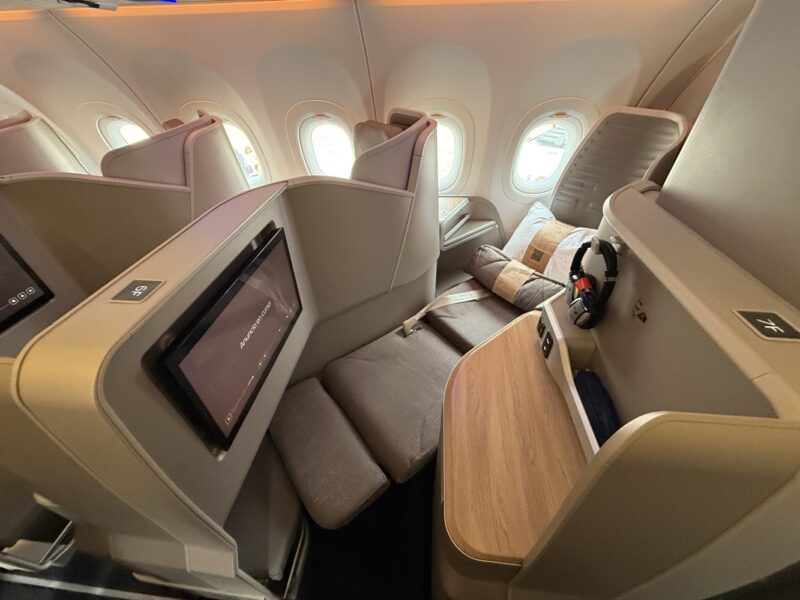
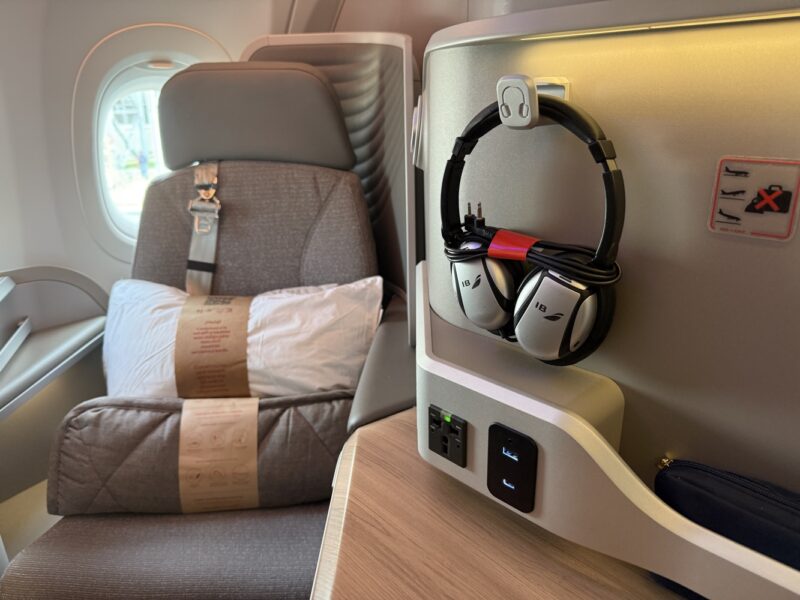
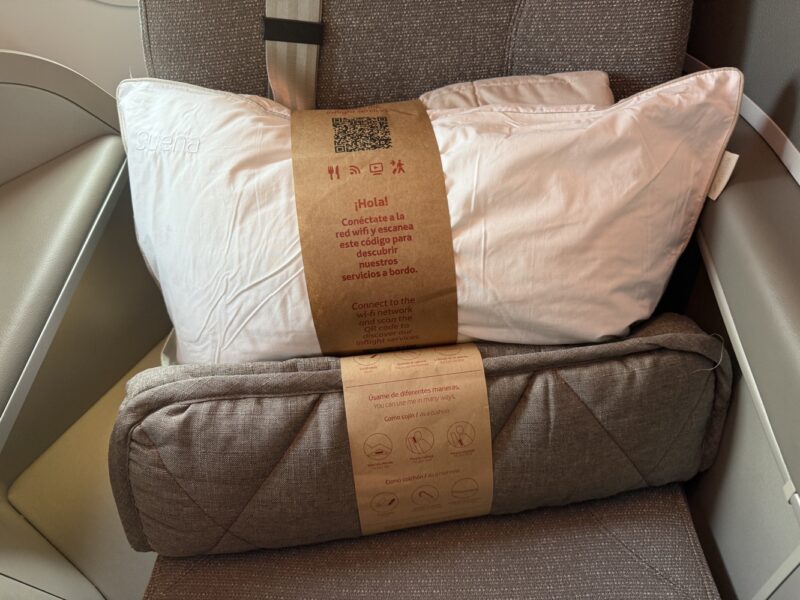
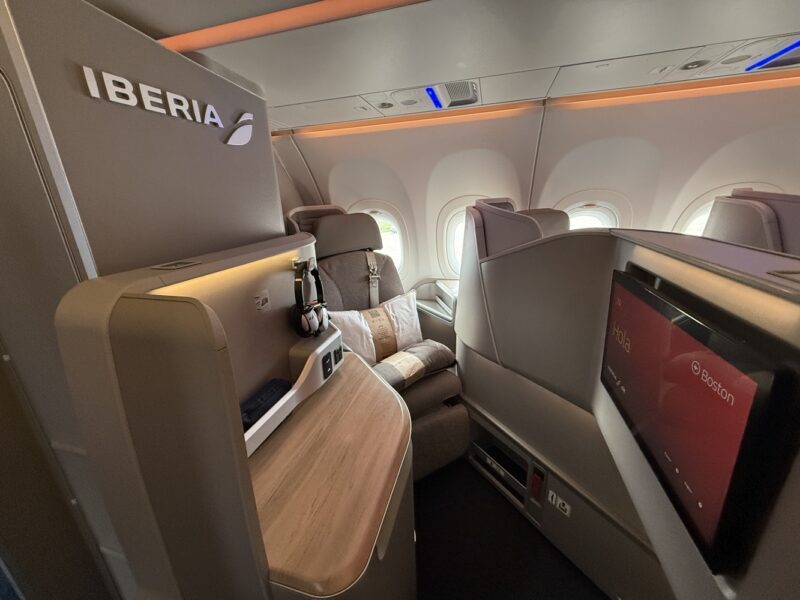
Iberia A321XLR Business Class Features
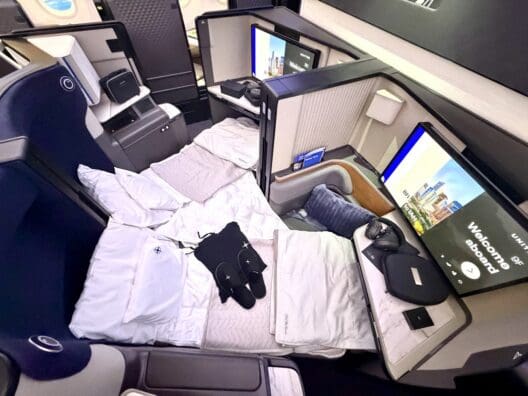
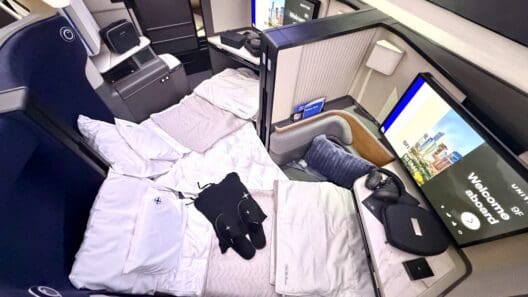
• Seats: 14 full-flat seats in 1-1 configuration, all with direct aisle access. Thompson VantageSOLO suites.
• Wide leather headrest, personal storage compartments and privacy.
• Individual 18.5-inch 4K screen.
• Lighting: Adjustable personal lighting and backlit seat numbers.
Iberia A321XLR Economy Class Features
• Seats: 168 RECARO CL3810 seats.
• 4-inch recline, six-way adjustable headrests, dual storage pockets.
• 12-inch 4K screen with Bluetooth compatibility.
• USB Type-A and Type-C charging ports.
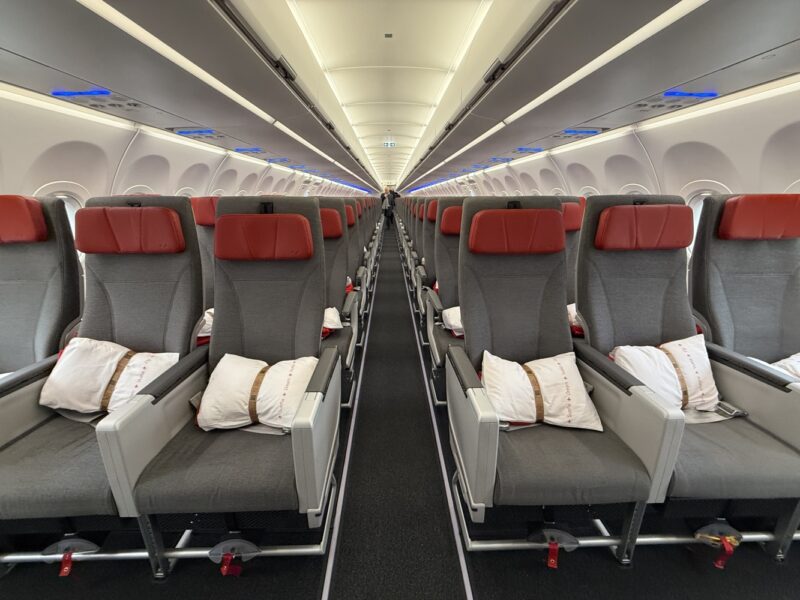
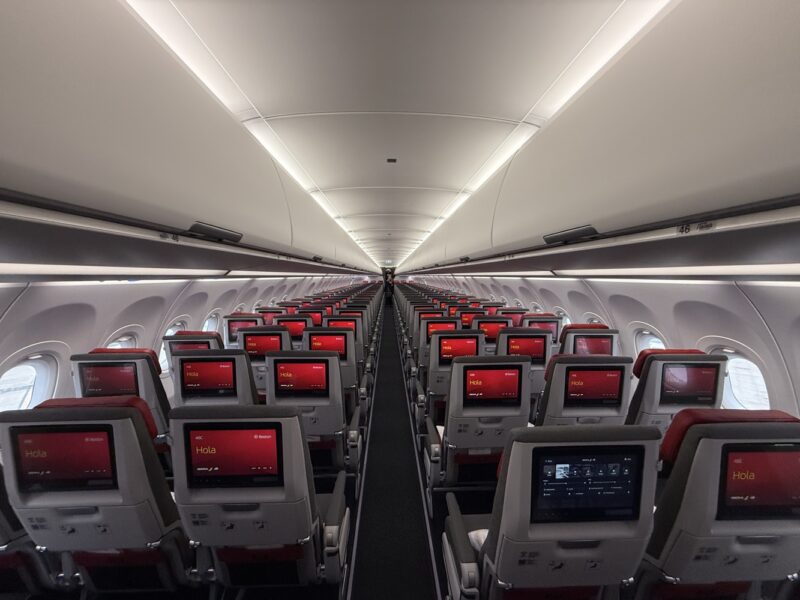
Seat pitch at the bulkhead seats and in the two emergency exit rows is, rather generously, up to 40 inches.
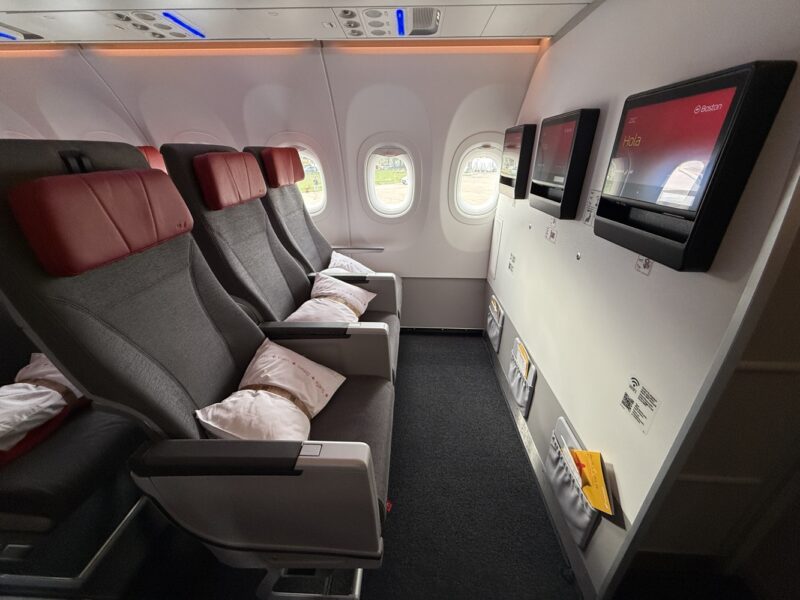
Iberia furnished the Y cabin with Recaro Aircraft Seating’s top-of-the-line economy class seating platform. The R3, formerly known as the CL3810, is optimized for increased comfort on medium- and long-haul flights. Most of the seats are configured in a 30-31″ Seat Pitch.
Seat width, which benefits from Airbus’ wider single-aisle cross-section, is understood to be roughly 18″.
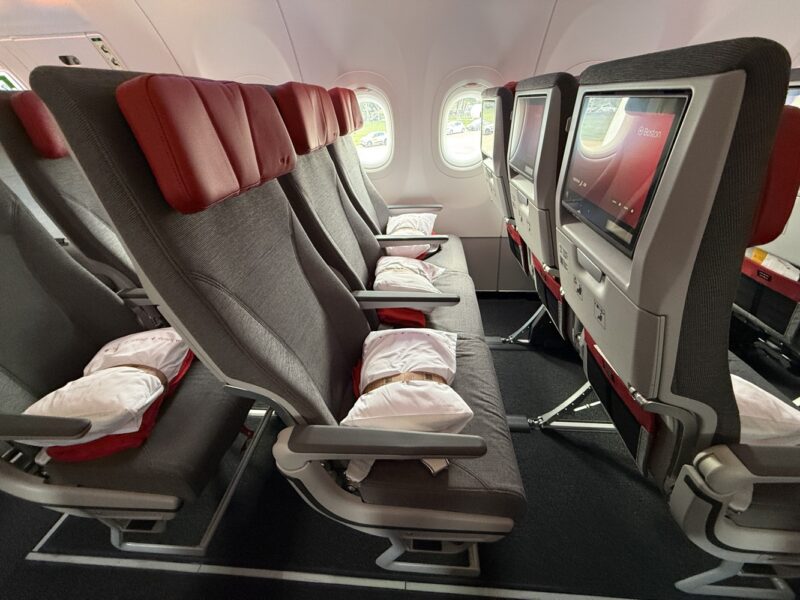
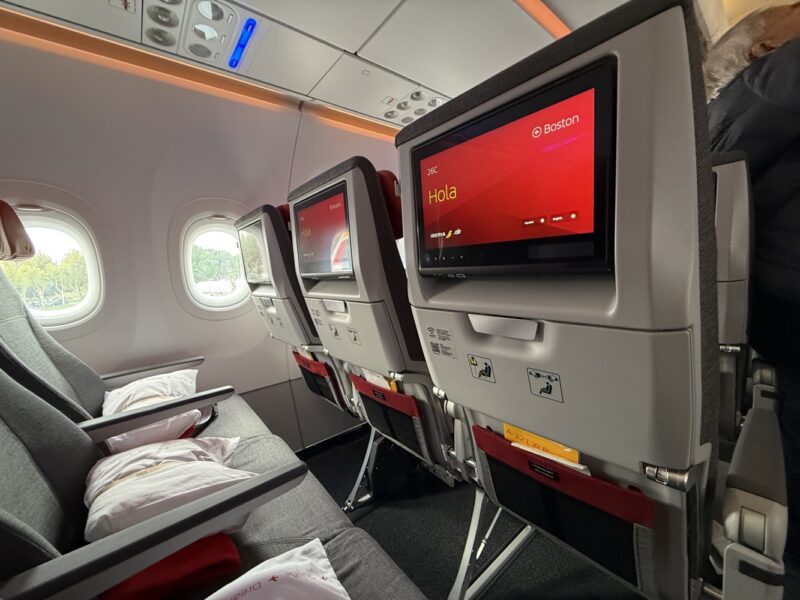
Iberia’s are finished in a rather austere gray fabric with pops of its signature red hue on the six-way adjustable headrests.
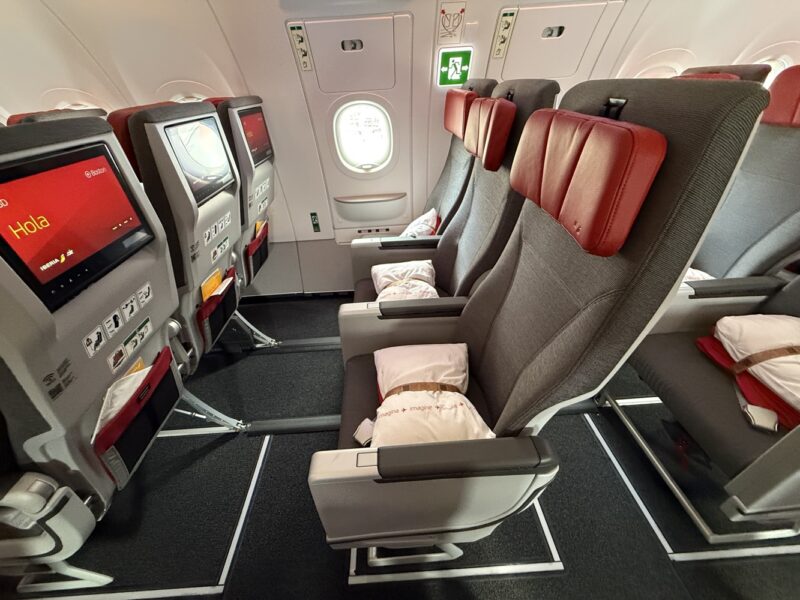
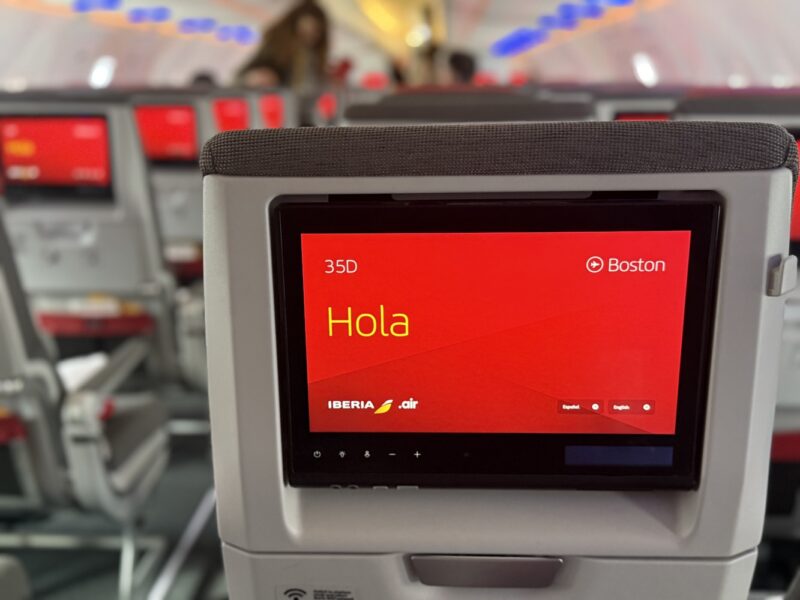
Additional Features
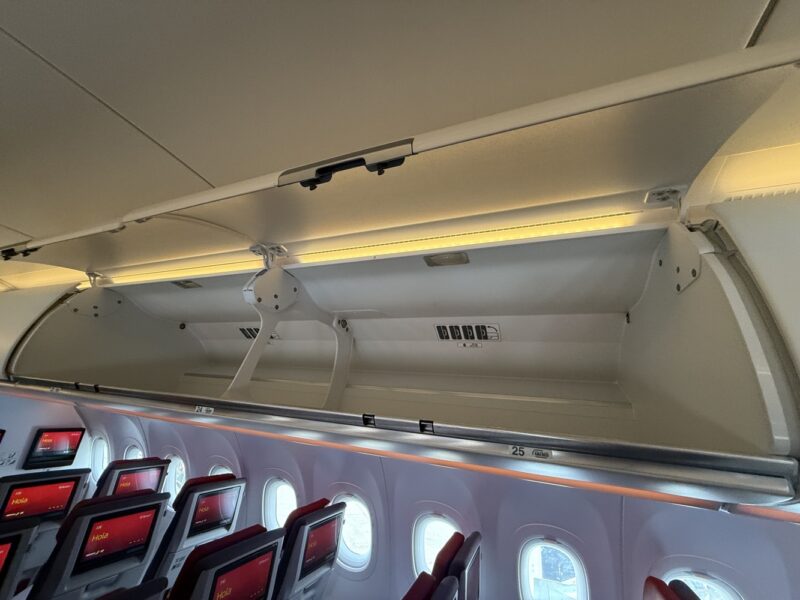
• XL overhead compartments (+60% capacity)
• Wi-Fi for messaging, six lighting modes.
• Four Bathrooms

Powered by CFM LEAP engines, the aircraft is noticeably quiet on the leisurely takeoff roll and during cruise (I measured it at 75db at my seat). The lower cabin altitude of 6,000 feet, which is standard on A320neo family aircraft, may be more noticeable on more extended sectors, but I doubt it.
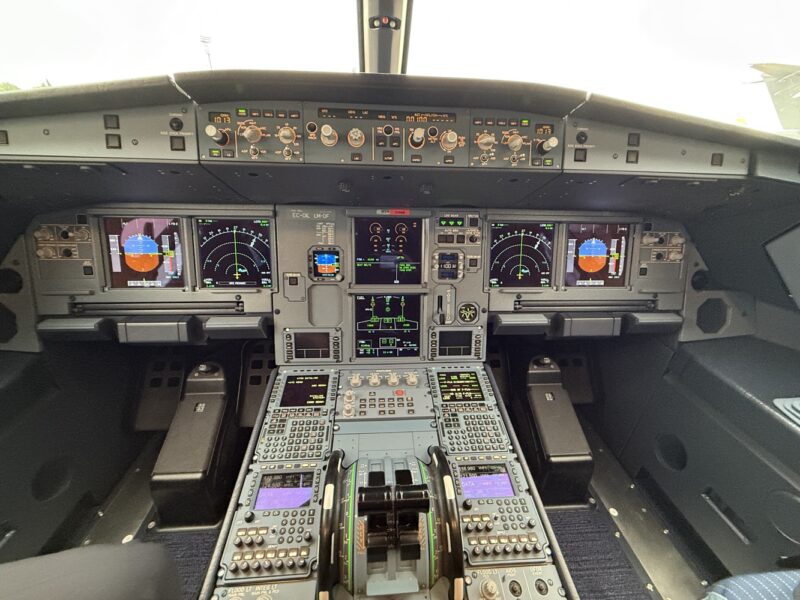
Our pilots told me that the A321XLR — heavier due to the rear center fuel tank — subtly rides smoother, particularly in turbulence.
That’s because the A321XLR cruises at a slower Mach 0.78 versus the A330neo’s 0.82 and the A350’s 0.85.
On the Madrid-Boston route, this translates into longer flight times of 20-30 minutes when flying westbound, and 10-15 minutes when flying eastbound, according to the Iberia Captain onboard.
Regardless, you’re still saving time by bypassing a hub airport. Our flight enjoyed favorable headwinds which reduced our 8hr planned flight time by 40 minutes.

Final Words
What makes the XLR a game changer is its wide body range in a narrow body platform, not the passenger experience though bypassing hubs certainly improves that. Airline people know the spiel. The evolution is new point-to-point hub busting network opportunities, market right sizing, added frequency, seasonality to year round, favorable economics, and sustainability.
Iberia will eventually discover new markets but is beginning first by adding frequency to Boston, and upgrading a seasonal to year-round service to Washington D.C beginning in January.
All photos by Chris Sloan / TheAirchive.Net






30” pitch, 3-3, single aisle, economy seating over the atlantic sounds like a case of deep vein thrombosis in the making. no thanks.
Where’s the video?
Chris Sloan (the author and photographer) traveled in this article. I hope to fly on the A321XLR later on to make a video.
Thats a long way over water in a single aisle aircraft,, sorry not for me. I have had quite a few A321 flights domestically and all ok. Eventually passengers will make their decision and probably not choose to fly single aisle long haul.
Airlines flying twin aisle aircraft on routes the 321XLR is operating on, will advertise the comfort of their aircraft, that is for certain.
Maybe an economic decision, but definitely not the comfortable way to fly long haul.
I flew TAP Air Portugal JFK-LIS-JFK earlier this year. I guess it was a 321 Neo not XLR; the business class seating was 2-1-2. Comfortable enough; service was what I expected from TAP (adequate, no more). The lavatory past the galley on a narrowbody is a problem. The 321XLR looks interesting though I doubt I would swop it for a widebody, given the option.
Es una barbaridad el volar en esos aviones en rutas tan largas,las autoridades no deberían autorizar esos vuelos.
Headwinds don’t usually reduce flight time.
I’m really looking forward to flying from Boston to Madrid on the Airbus 330, before Iberia fully transitions to the A321. Quieter and more comfortable. I don’t like this downsizing trend at all, especially for the transatlantic flights. Not to mention the “innovation” of providing non reclining seats, of shrinking the toilets and the galleys, and of making people wait in the galley area to use the toilet. I understand the cost pressures, but we, the passengers, should say no to these declining standards.
Contrary to what you stated, the seat can be reclined, as per the article.
That is not to say that the A31XLR is preferable, but needs to be tried before drawing conclusions.
Based on SeatMaps, the seat pitch is 30” (which is 1” less than usual) but width is 18”, which is 1” wider than on widebodies.
That is to say that it has to be seen. You might be right or not. I will draw conclusions only after some tests.
The lack of a premium economy cabin is really disappointing. SAS has a 321 LR’s and they put 12 premium economy seats behind business Given that the aircraft flies slower, premium cabins should always be an option, especially if we’re flying with single aisle over the water.