





The South Korean Ministry of Land, Infrastructure and Transport (MOLIT) has announced that nine Boeing B737NGs have been grounded, after inspections revealed cracks in the pickle fork area.
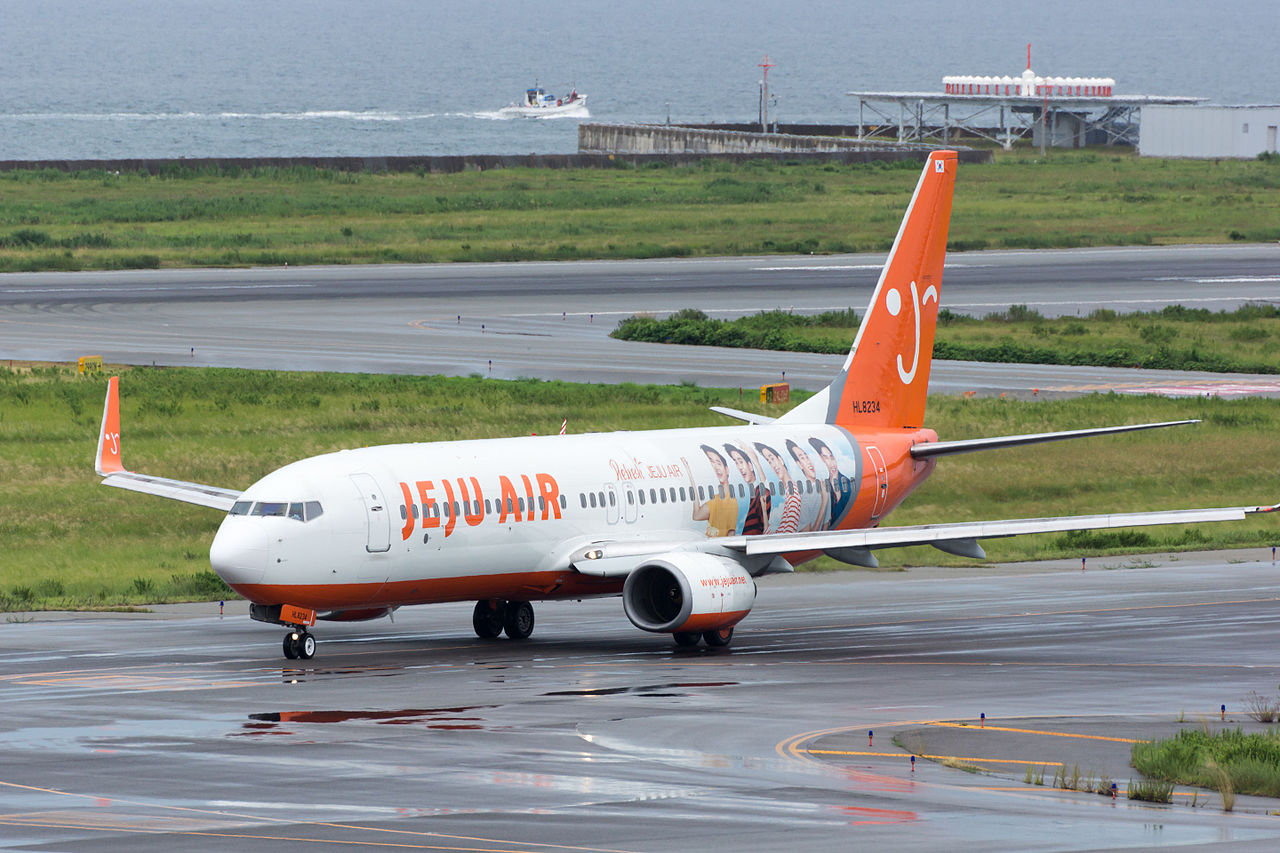
Out of the nine grounded B737NGs, five are operated by Korean Air (KE), three by Jin Air (LJ) and one by Jeju Air (7C).
MOLIT said that so far, 42 aircraft out of the total of 150 Boeing B737NGs operated in the country have been inspected. The hit rate is over 20% in South Korea.
Earlier this month, the Federal Aviation Administration (FAA) issued a new airworthiness directive (AD) for all Boeing 737-600, -700, -700C, -800, -900 and -900ER series airplane’s following the cracks found on several 737NGs, where the wing is attached to the fuselage, in a part commonly referred to as the pickle fork.
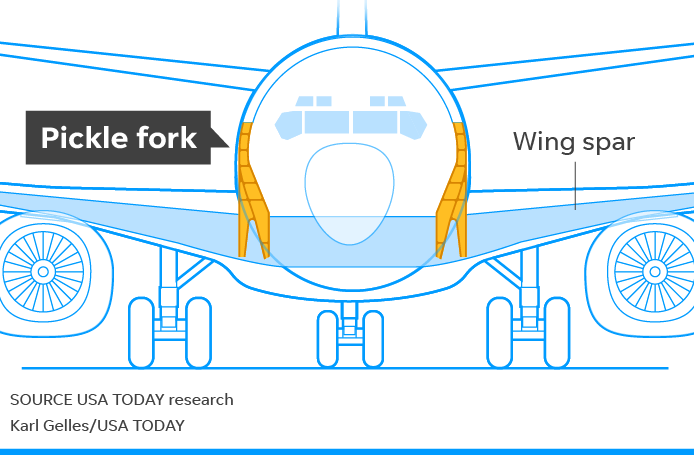
The FAA ordered immediate inspections within seven days of all Boeing B737NG aircraft which have already accumulated at least 30,000 flight cycles. The remaining ones have to be inspected prior to the accumulation of 22,600 total flight cycles, or within 1,000 flight cycles after the effective date of the directive.
If any crack are found, they must be repaired before further flights using a method approved by the FAA or The Boeing Company Organisation Designation Authorisation (ODA). After this, airlines have to send a report with all the results of the initial inspection to Boeing.
According to Boeing, out of the 810 Boeing B737NGs that have been inspected across the world so far 38 were identified with the issue. The hit rate is about 5% globally.
H/T: ch-aviation








Your comment made a great deal of sense to me up until the last two paragraphs. The airlines and the airplane manufacturers will be held responsible in a court of law and the in the court of public opinion. Should you ever be subpoenaed to testify in court on a matter of aviation safety you might reconsider your “stuff happens” remark. It would not do well for your employer.
‘Boeing is the Cadillac of the skies…period’ Hmm. An apt comparison considering Cadillacs are basically Chevy junk boxes with a fancy price tag! You don’t seem to realise how stupid you sound making such claims. You sound like a hired troll or else one of those Boeing fanboys on Airliners.net. There is no excuse for a structural member designed to last the life of the aircraft showing cracks at 30K cycles. If you are a structures expert, you should know this.
RM
I rather drive (fly)a Mercedes (airbus) than a Cadillac (Boeing)
As an Aircraft STRUCTURES mechanic for 35yrs I can certainly identify with this type of problem. The general public is not aware of the strength vs the stress of these well built and well designed aircraft as they are. Boeing is the Cadillac of the skies…period. To go from the tarmac to approximately 170 mph and climb to 30 to 40k miles above the earth in a few minutes has a tremendous amount of stress on every part of the aircraft. The temperature change itself is simply incredible. If you take off from Phoenix in July and the ground temperature is 145 degrees and then you’re 35,000ft of altitude in a few minutes, the temperature differential is going to be around 180 degrees! That’s an enormous difference and metal expands and contracts with temperature. With 20 to 30k flight cycles (take off and landing) or more there many factors involved in what and where a crack can take place. These aircraft are designed to fly for years if not decades. Aircraft manufacturers cannot be held responsible for these types of problems encoured after years of being subjected to the rigors of whatever the pilots and mother nature can put them through. In short…stuff happens.
Boeing also knew why these two 737-800 MAX jets went down killing 346 innocent people and you’re beating your chest as if this fact doesn’t matter. Tell this to all the family members that stuff happens.