



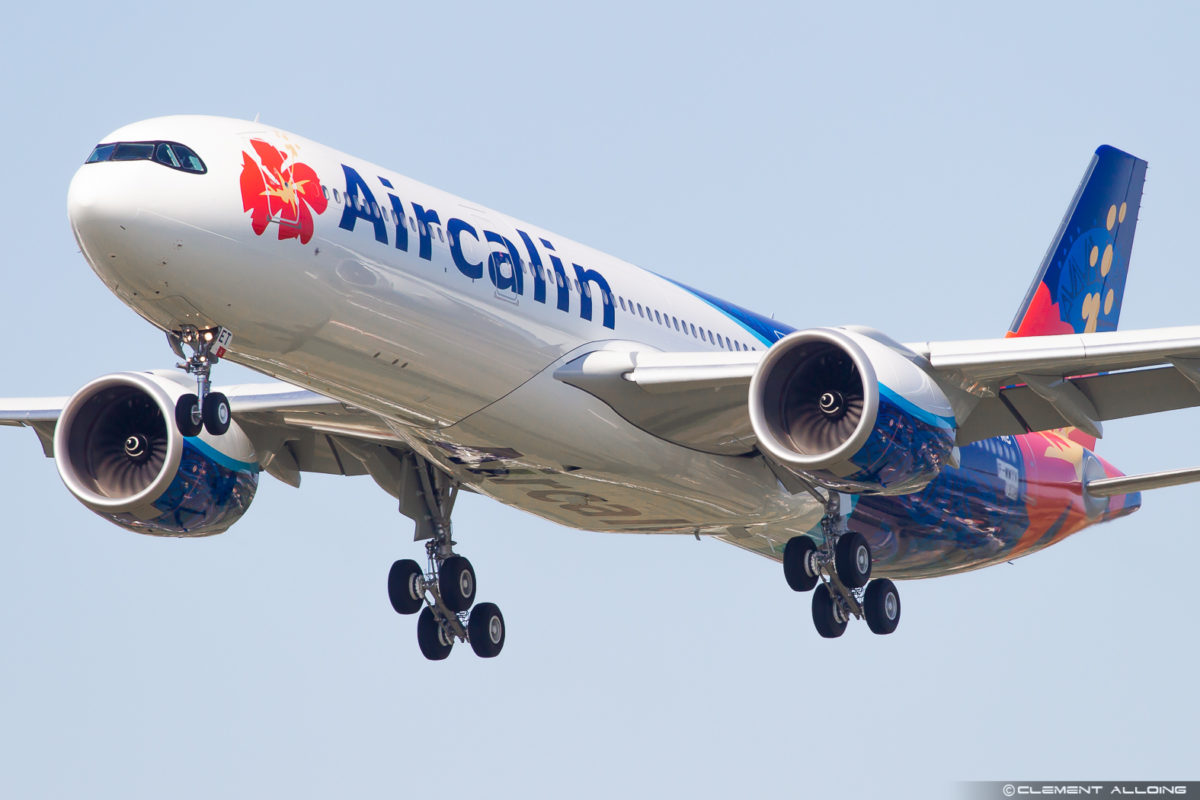

Aircalin, also known as Air Calédonie International, is planning to return one of their A330neos to Airbus, due to an unpleasant smell that keeps entering the cabin.
The aircraft in question is F-ONET, which is one of two Airbus A330-900neos operated by Aircalin and was delivered to the airline in September.
| Registration | Serial Number | Delivery Date |
| F-ONEO | 1937 | July 2019 |
| F-ONET | 1938 | September 2019 |
Grounded for two weeks, the problematic aircraft will shortly be flown to Toulouse, France to be inspected by Airbus engineers to determine the cause of the smell and an appropriate remedy.
“Luengöni”, l’A330-Néo d’Aircalin, doit s’envoler ses jours ci pour Toulouse. Airbus doit effectuer une inspection plus poussée pour déterminer d’où vient l’odeur d’huile en cabine. https://t.co/4Gt0iK4tiu pic.twitter.com/vo2gDLvKxH
— NC La 1ère (@ncla1ere) November 15, 2019
Didier Tappero, the CEO of Aircalin, told media that “a smell of wet socks has repeatedly inconvenienced crew members during the takeoff and landing phases”.
Symptoms have included dizziness, vomiting and headaches during and after finishing flights.
Engineers collecting air samples of the cabin for analysis sent a report to Airbus; where it was determined that the air quality in the cabin was within standards and in accordance with international guidelines, relating to cabin air toxicity thresholds.
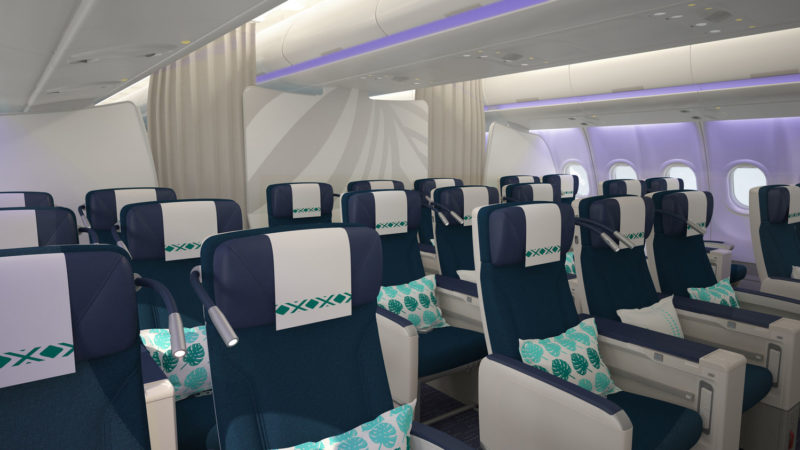
As an added safeguard, operating crews subject to the strange smell had blood samples taken to identify any anomalies. No reports of poor health conditions have come back from these tests.
Airbus and Rolls-Royce originally sent technicians to Noumea in an attempt to resolve the problem locally, however told the airline that they could not “solve this problem in a sustainable way”.
Rolls-Royce will likely be joining Airbus again in Toulouse to assess the aircraft, its engines and the systems involved in providing fresh, clean cabin air for passengers and crew.
Speaking to the AFP Asia Pacific region, an Airbus spokesperson said the following:
“We are working on a solution to solve odor problems in the cabin of a small number of Airbus A330neos in service.”
Sean Lee – Airbus
Similar problems have been reported with TAP Air Portugal and Air Senegal aircraft, which are all fairly recent deliveries.
Airbus and the European Aviation Safety Agency (EASA) have been aware of the issue since late May and are closely monitoring and conducting tests to resolve the smelly situation.
In the meantime, Aircalin will be flying classic A330s to compensate for the loss of one of their new Airbus A330-900neos.
What are your thoughts on this unusual occurrence?
Cover photo by Clement Alloing on Flickr





Yes i think it was a rat aswell!
I think it’s a colony of rats
Must be from Bleed Air system when there’s a high airflow during takeoff and landing…just a wild guess…
The sock smell is classic of engine oil entering the air conditioning packs. The medical symptoms are organophosphate poisoning from the Tricresylphosphate (TCP), and anti wear additive in the oil, breaking down at the elevated temperatures of the bleed air.
It is a known and widespread industry problem using bleed air for the cabin, affecting some aircraft types more than others. The Avro 146 and it’s derivatives is known to be the worst affected, followed by the 757, but they are not alone.
The industry hides behind the fact that trials have not been conducted by the authorities into the effects of organophosphate poisoning of crew or passenger, pretending the effects are unknown, despite all that was learned from the farming industry on the 70s and 80s. It is why Boeing installed electric compressors for cabin air, at considerable expense, on the 787.
Tell Airbus to check and replace the filter on AC pack If necessary. AC pack is basically a small turbine compressor which takes bleed air or hot compressed air from engine, cools it down and feeds it into the cabin and for pressurization and to maintain the temperature.
I had similar issues when the Aircrew complained of foul odor coming from the air conditioning and the culprit was the dead bird (sucked in the APU) Auxiliary Power Unit… hope that helps.
Interesting article on the Aircalin Airbus 330-NEO F-ONET and the oder issue. What concerned me was the report of discomfort of the aircrew and reported illness. One thing for sure is that Rolls-Royce was involved as the air that is provided comes from the engines. In times past this air was provided off of the 10th Stage Bleed Air of most engines that provided this air. Thus the initial smell of JP-8 at start up sometimes when the fans are turning the wrong way from a tail wind at startup.
I could not readily find out is the aircraft had On Board Oxygen Generating Systems (OBOGS) or not, I must assume they do. I would look here too for a possible cause of this issue. The Military has had issues with several of their aircraft and these systems in the past but I have not kept up with the resolutions. The US Air Force and the Navy have reported these occurrences withe the aircrews becoming sick or experiencing headaches. I also would wonder if the JP-8 is a mixture of Bio Blended fuels. I make this point that the Navy started seeing this occurrence around the same time they started using Bio-Fuels. It was never reported in any findings but sure was a coincidence. Maybe that particular aircraft had Bio-Fuels at sometime or another while the other aircraft have not. Just thinking. Anyway, I enjoyed your article. From an Old Crew Chief.
Brand New A330 NEOs are still having immediate and constant Fume Events with aircraft that have new engine wet seals on delivery. Constant Fume Events on every take off and landing. Once again these new age Eco engines that are providing more range and less fuel have defective, fatal flaws which Airbus continues to ignore. It is time to revisit the very technology of new aircraft. It is not enough to just create new planes that go farther for less fuel. If the improvements are at the cost of human health and lives then this is not an acceptable improvement.
#AnInconvenientTruth#