
Inside the UN Aviation Lifeline: IL-76 Humanitarian Airdrop Mission
I traveled to South Sudan with the United Nations World Food Programme (WFP) to witness firsthand how aviation becomes a true lifeline in one of the most challenging environments on Earth.
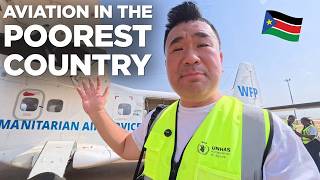
My journey begins at Juba Airport, where my aviation adventure truly takes off. Aircraft of all types line the apron, engines ready, crews prepared to depart. It doesn’t take long to understand why — South Sudan is the single largest operating theatre of the UN Humanitarian Air Service, UNHAS, the world’s largest Humanitarian Air Service.
UNHAS is the aviation arm of WFP, providing critical air access where roads simply do not exist. In a country with extremely limited infrastructure and vast seasonal flooding, flying is not a luxury — it is essential for survival and development.
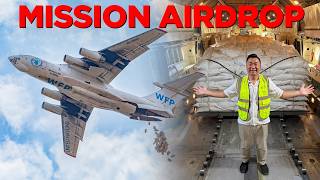
During this mission, I fly aboard WFP Aviation Dash 8 and Mi-8 helicopters to the deep field in order to witness life-saving Ilyushin IL-76 airdrop operations delivering food to communities completely cut off from the outside world. Every flight carries more than cargo — it carries hope to places no road or river can reach.
On the ground, WFP coordinators explain how airdrop operations work. When communities are isolated beyond the reach of roads or waterways, airdrops become the only viable way to deliver food. It is also the most complex and expensive method — but often the only one that can prevent hunger and starvation.
This is humanitarian aviation at its most critical - feeding communities, supporting resilience and saving lives from the sky.