


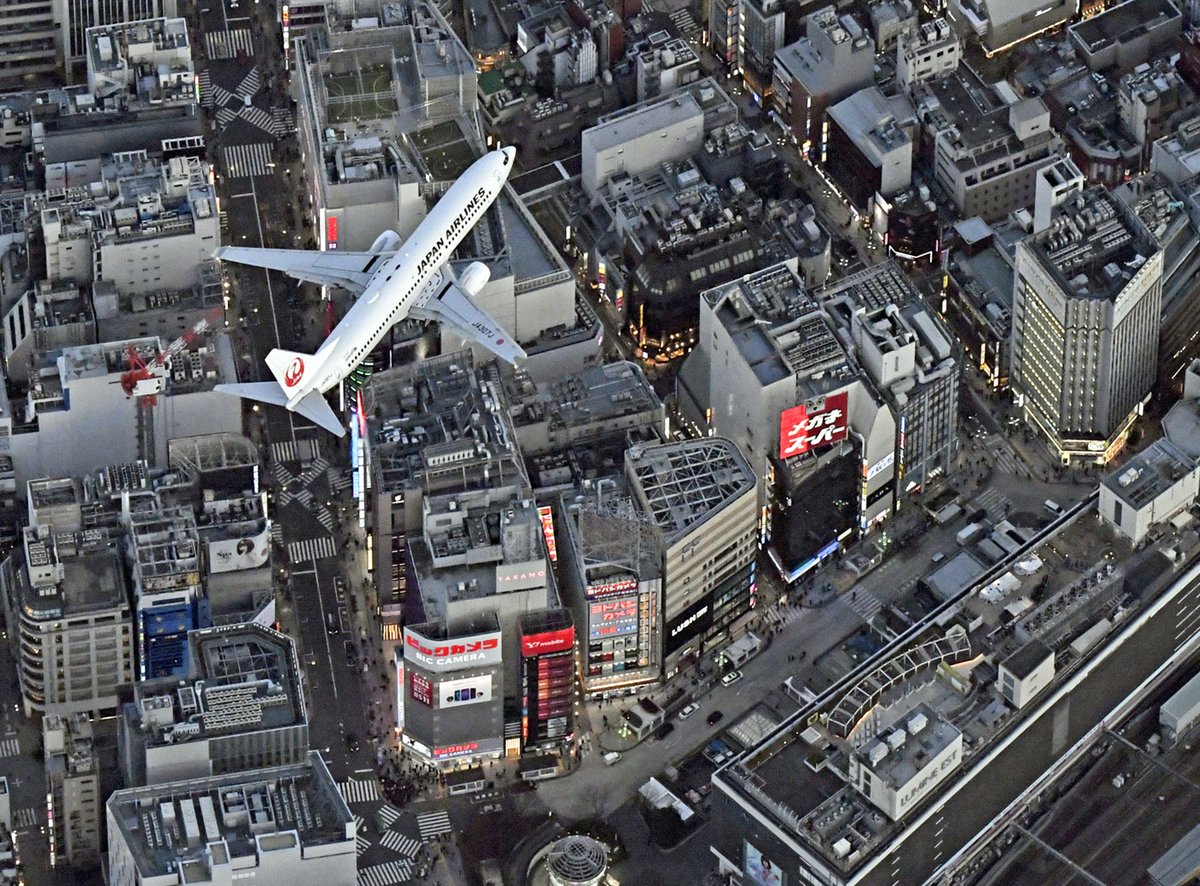

Life instantly became much noisier for an estimated 1 million residents of Tokyo on 29th March.
New flight paths for aircraft approaching Haneda Airport formally took effect, now seeing up to 44 planes per hour being given clearance to fly over some of Tokyo’s busiest neighbourhoods — Shinjuku, Shibuya and Shinagawa — over a period of three hours in the afternoon on days in which the wind is blowing from the south.
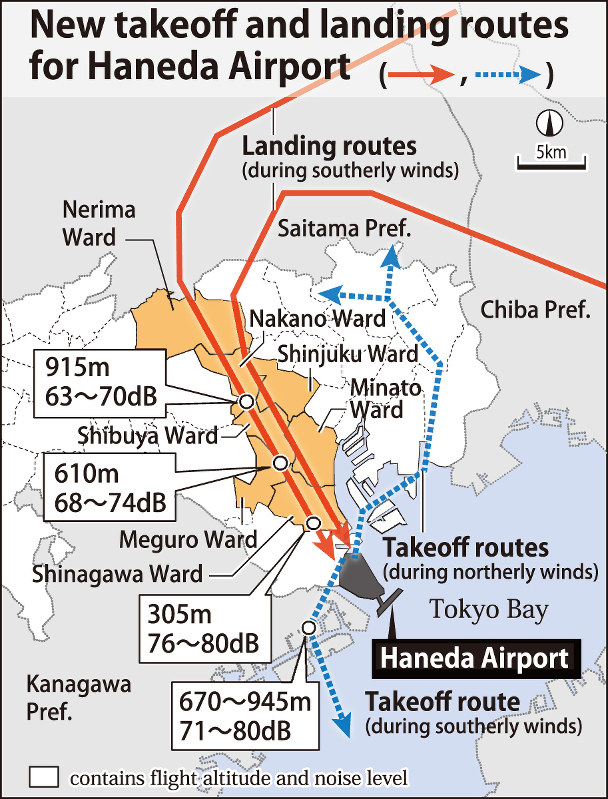
Should such southerly winds exist, commercial flights will be given the green light to officially pass over central Tokyo when approaching landing strips at Haneda Airport for the first time.
Until now Japan’s largest airport in terms of passenger capacity has relied on routes over Tokyo Bay for landings, since it began operations in 1931.
Haneda Airport is Asia’s second busiest airport after Beijing International Airport.
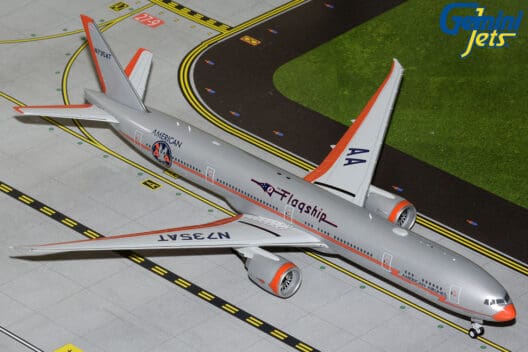
Haneda’s existing approach capacity is overstretched, and whilst heavily-laden flights from Europe will still continue an extended approach to avoid residential areas, aircraft as large as a Boeing 777 will use the new city approach.
The Japanese Ministry of Transport had initially planned to allow aircraft to approach the landing strips, via the new corridors over Tokyo, at 3 degrees angle of attack, which is the widely accepted global standard.
In an attempt to reduce noise pollution, however, the ministry subsequently decided to instruct pilots to approach the runway at 3.45 degrees, although 3 degrees would be permitted in the event of rough weather.
This steep approach will require no further training, although the International Federation of Airline Pilots Association (FAPA) was quick to criticise the decision by the Japanese Government.
Analysts have noted that this new approach to Haneda will likely be one of the most difficult in the world; with the steep descent making it difficult to reduce the aircraft’s speed upon landing, thus increasing the risk of a tail strike, where the back of the plane touches the tarmac, often causing critical damage and endangering lives.
The flight tests laid bare the difficult aspects of placating concern over the new corridors, specifically with regards to the noise and fears of falling debris from the aircraft.
Many Tokyo residents oppose the decision, heavily criticising the noise impact on more than 1400 schools that lie directly under these new flight paths.
Noise pollution will be a new challenge that Tokyo residents will indeed have to adapt to as these flight paths take shape.
Feature Image: Twitter